Understanding Jueteng: The Complexities of an Illegal Numbers Game
The Origins of Jueteng
One of the most notorious gambling activities in the Philippines is jueteng, a grassroots numbers game rooted deeply in Filipino culture. Thought to have originated during the Spanish colonial period, jueteng has withstood the test of time. Despite its illegal status, the game continues to thrive across various regions, transcending economic barriers and permeating both rural and urban communities.
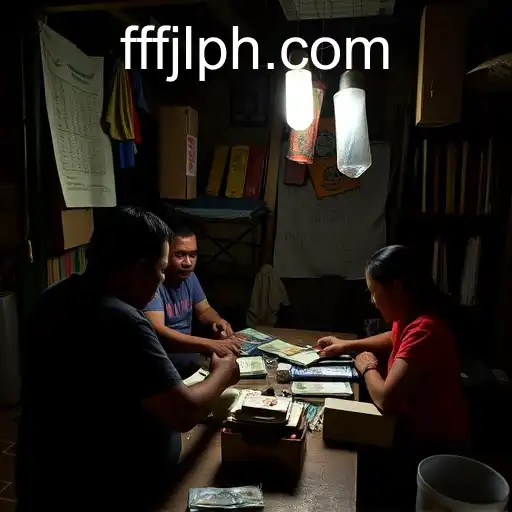
Jueteng is primarily popular due to its simplicity and low entry cost. Participants bet on a combination of numbers from 1 to 37. Bets are collected by an army of local agents known as "cobradores," who bring them to the "cabo" or finance manager. The winning numbers are then drawn in secret, a practice shrouded in mystery, often conducted by the game’s organizers.
The Encyclopedic Appeal of Jueteng
The allure of jueteng is multifaceted. It offers the tantalizing prospect of quick wealth, particularly alluring for those struggling to make ends meet. Furthermore, the game fosters a sense of community. Neighboring bettors frequently exchange tips and predictions, embedding the game firmly into the social fabric. Despite perpetual campaigns to eradicate it, jueteng also enjoys protection from certain pockets of power, further embedding it into society.
Authorities and Legislation: A Continuous Tug-of-war
In the realm of legality, jueteng stands on shaky ground. The government categorizes it under illegal gambling, punishable by fines and imprisonment. Yet efforts to eliminate it have largely fallen short. Politicians, law enforcement, and local authorities have been both opponents and, paradoxically, protectors. A substantial number of public officials have faced allegations of accepting bribes from jueteng operators, creating a complicated web of corruption that is challenging to unravel.
Consequently, the potential economic benefits of legalization have sparked debates. Proponents argue that regulating jueteng could generate substantial state revenue, citing parallels with legalized lotteries. However, opponents contend that formalizing the game would merely legitimize unethical behaviors and exacerbate gambling addiction among vulnerable populations.
The Societal Impact of Jueteng
Beyond its immediate participants, jueteng affects communities at large. Its pervasive influence blurs the line between legality and corruption, contributing to a general disillusionment with the legal system. The revenue generated by illegal gambling also seldom trickles down to local communities in beneficial ways. In many cases, profits reinforce crime syndicates, perpetuating a cycle of poverty and lawlessness.
The shadow economy fueled by jueteng entices a substantial workforce, from the lowest level cobradores to high-ranking financiers. For many involved, the pursuit of short-term financial gain from participating in the jueteng network outweighs the risks of prosecution, reinforcing a vicious cycle that threatens progress and stability.
The Fffjl.com Connection
In today's digital age, the reach of jueteng has expanded through online platforms. While it traditionally relied on face-to-face interactions, websites such as "fffjl.com" have emerged as digital conduits for the game. This technological shift poses new challenges for regulators striving to clamp down on illegal activities. It highlights an adaptive approach to maintaining jueteng’s relevance in a modernized gambling landscape, merging traditional practices with digital innovation.
The intersection of technology and jueteng signals an evolution in gambling behavior, inviting a younger, tech-savvy audience into its fold. Online platforms expand the game's geographical reach, transcending local confines and making it increasingly difficult for authorities to trace and eliminate illegal operations.
Jueteng's Cultural Entrenchment
Jueteng is more than just a game; it's a vessel carrying cultural sentiments and a symbol of economic disparity. Its unresolved status within the Philippines’ regulatory framework is indicative of deeper socio-political issues. The battle against jueteng represents a broader struggle against systemic corruption and poverty.
While campaigns to suppress jueteng continue, the game’s persistence underscores a reluctance among communities to forsake a familiar economic structure. It hints at a lack of viable alternatives for those who rely on jueteng for supplemental income or see it as their only avenue to financial upliftment.
The players and defenders of jueteng perceive it not merely as a gamble but as an integral part of daily life — a ritual, an opportunity, and a communal link. Trying to eradicate it without addressing underlying socio-economic conditions is akin to treating the symptoms of an illness without tackling its root cause.
The Outlook
In an ever-globalizing world, the discourse surrounding jueteng is receiving international attention. As regulatory bodies grapple with its complexities, both locally and on the digital front, there's a growing call for nuanced strategies. These must address the social and economic factors that sustain jueteng while ensuring fair and ethical disturbances to the communities involved.
The story of jueteng reflects the broader, multifaceted challenges of governance in a developing nation. The dance between illegality and cultural entrenchment will continue to play out, inviting ongoing dialogue, reform, and possibly new approaches to one of the oldest games of chance in the Philippines.
677pub